
 ®
Heat, welding and molten metal
The type of exposure matters as much as the material.
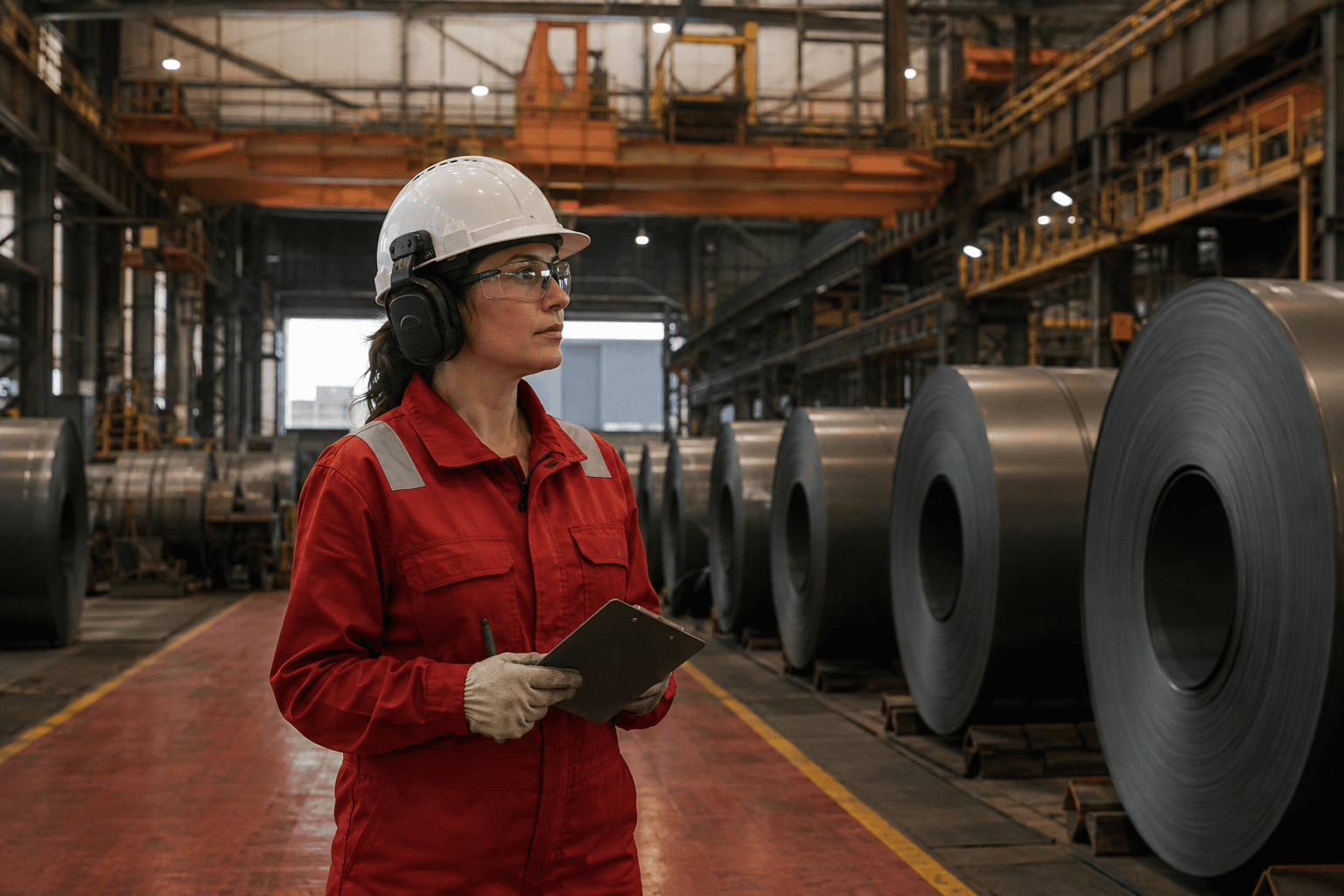
Heat may be transferred through radiation, convection or contact. Welding adds its own exposures, while molten-metal splash introduces another challenge: how the textile surface behaves against the metal and how much heat passes through it.
Where it may occur
Metalworking shops, welding tasks, steel processing and foundries can involve very different hazards. Coil inspection does not have the same exposure as a pouring operation.
Metals and manufacturingThe role of fabric
Flame resistance helps limit the spread of combustion. However, splash behavior also depends on metal adhesion, fabric weight and construction. Not every FR fabric is suitable for every metal.
What to assess in the clothing
- The heat-transfer mechanism, duration and exposed body area.
- The welding task and the appropriate performance class for the ensemble.
- For molten metal, the specific metal or alloy and relevant splash test results.
Scope of protection
Molten-metal protection requires splash testing for the specific metal or alloy. Flame resistance alone does not establish that performance.