
Know the hazard. Understand the protection.

Hazards behave differently and do not all call for the same garment. Explore the thermal and electrostatic hazards involved in selecting industrial textiles.

Professionals in protective workwear at a petroleum facility; illustrative scene

Flash fire

A flash fire can spread through a flammable mixture of gas, vapor or suspended dust. Thermal exposure may be brief yet still cause serious injury. Clothing that continues burning after the exposure can make the consequences worse.

Understand this hazard
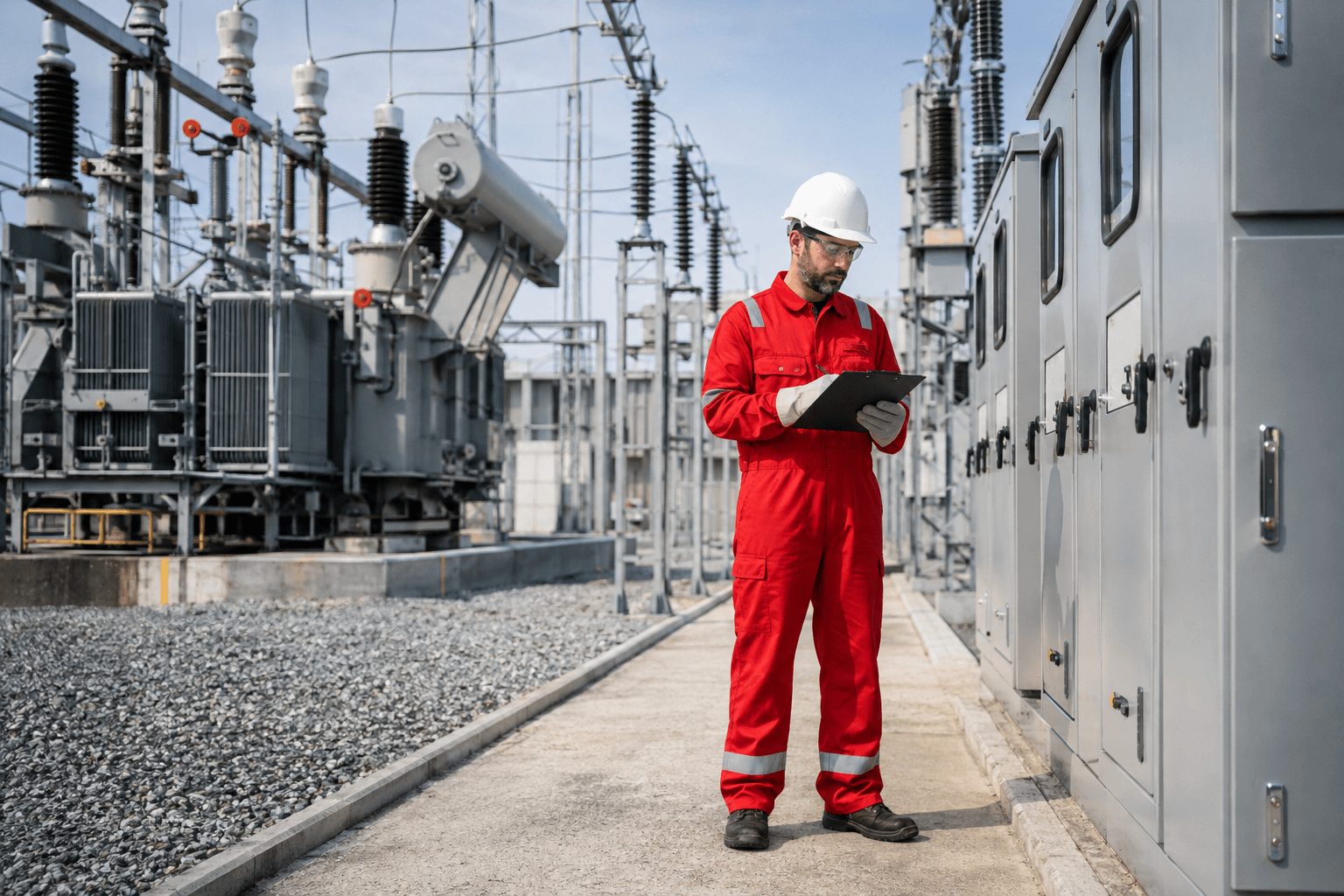
Technician in a safe access aisle at an electrical substation; illustrative scene

Electric arc

An electric arc is a discharge through air that can release substantial thermal energy. Its effects may include heat, pressure and projected material. Textile protection is evaluated against the arc's thermal exposure, not all of its effects.

Understand this hazard
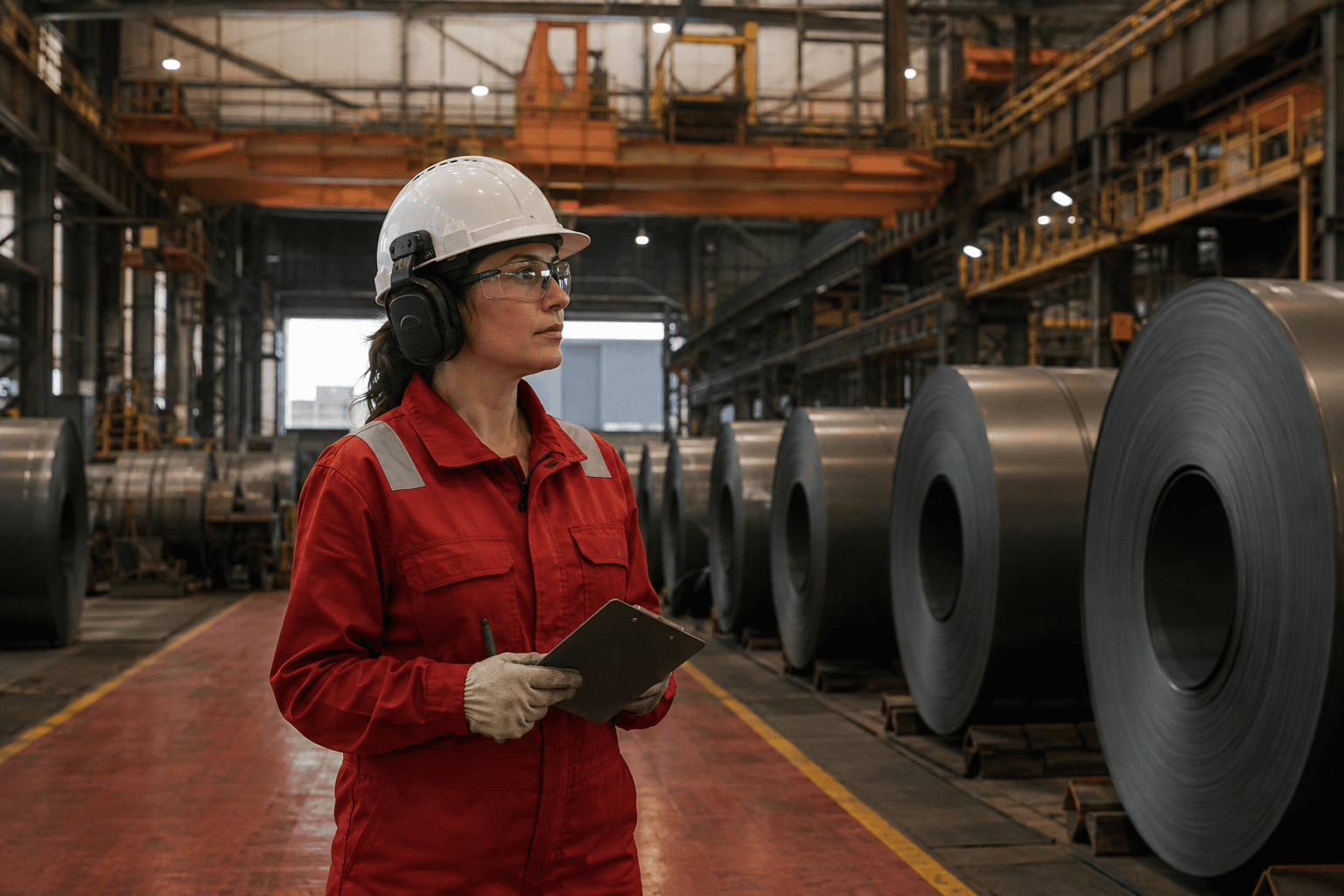
Professional inspecting steel coils in a steel plant; illustrative scene

Heat, welding and molten metal

Heat may be transferred through radiation, convection or contact. Welding adds its own exposures, while molten-metal splash introduces another challenge: how the textile surface behaves against the metal and how much heat passes through it.

Understand this hazard
Female technician inspecting a gas processing plant; illustrative scene

Electrostatic charge

Movement and contact between materials can create electrostatic charge buildup. In a flammable atmosphere, a discharge can become an ignition source. Clothing selection is therefore integrated with the installation's other control measures.

Understand this hazard

Protection begins with understanding the exposure and selecting appropriate clothing for each task.

Your next specification starts with a conversation.

Connect with our team about fabric, finishes and documentation for your industrial application.

Talk to our team